
Promoting menstrual health during Navratri
Project Sanskriti, a nine-day Navratri-themed initiative, was organised by Rotaract clubs from RID 3011 over two months. The Rotaract Clubs of Resilience and Young Visionaries led the project.
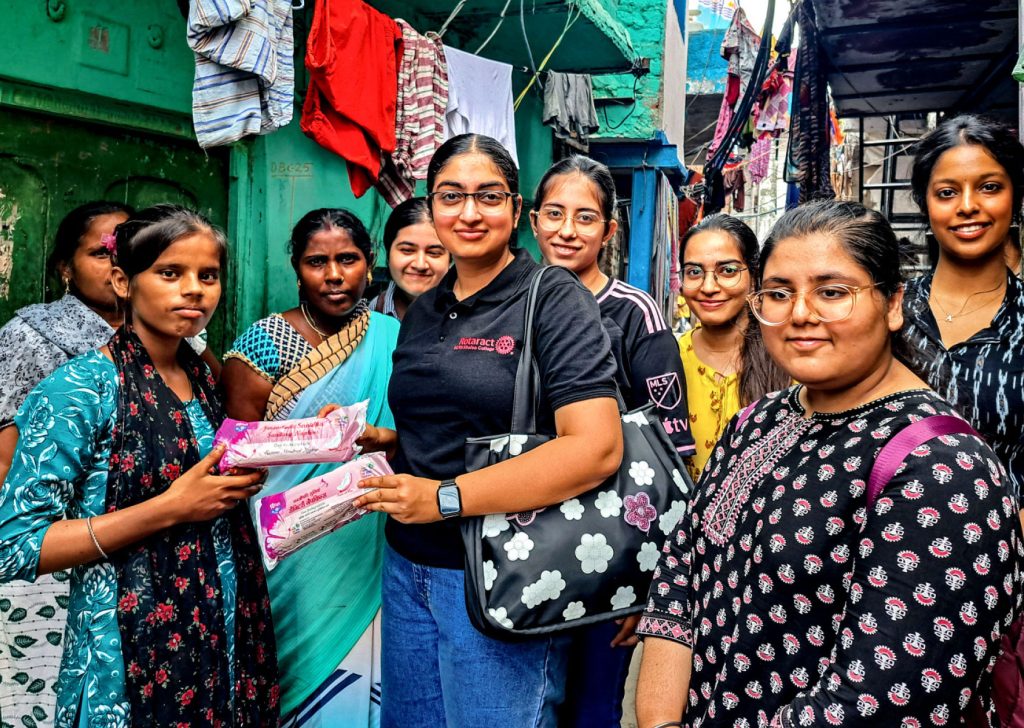
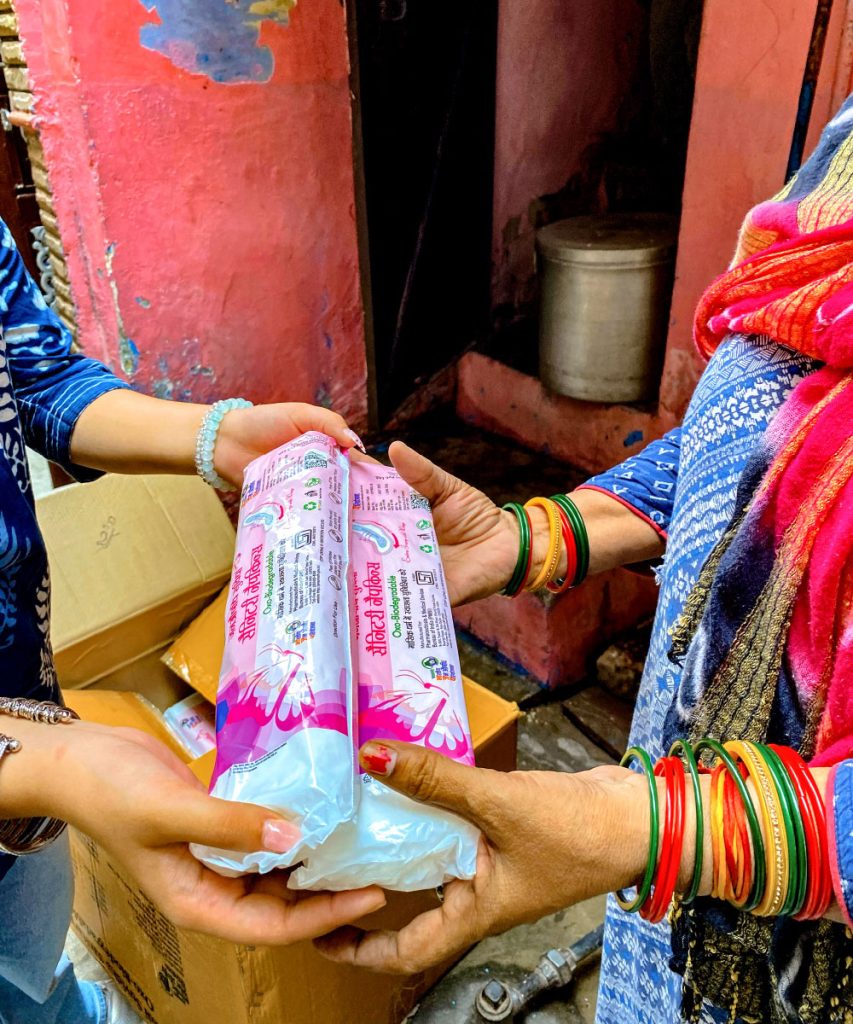
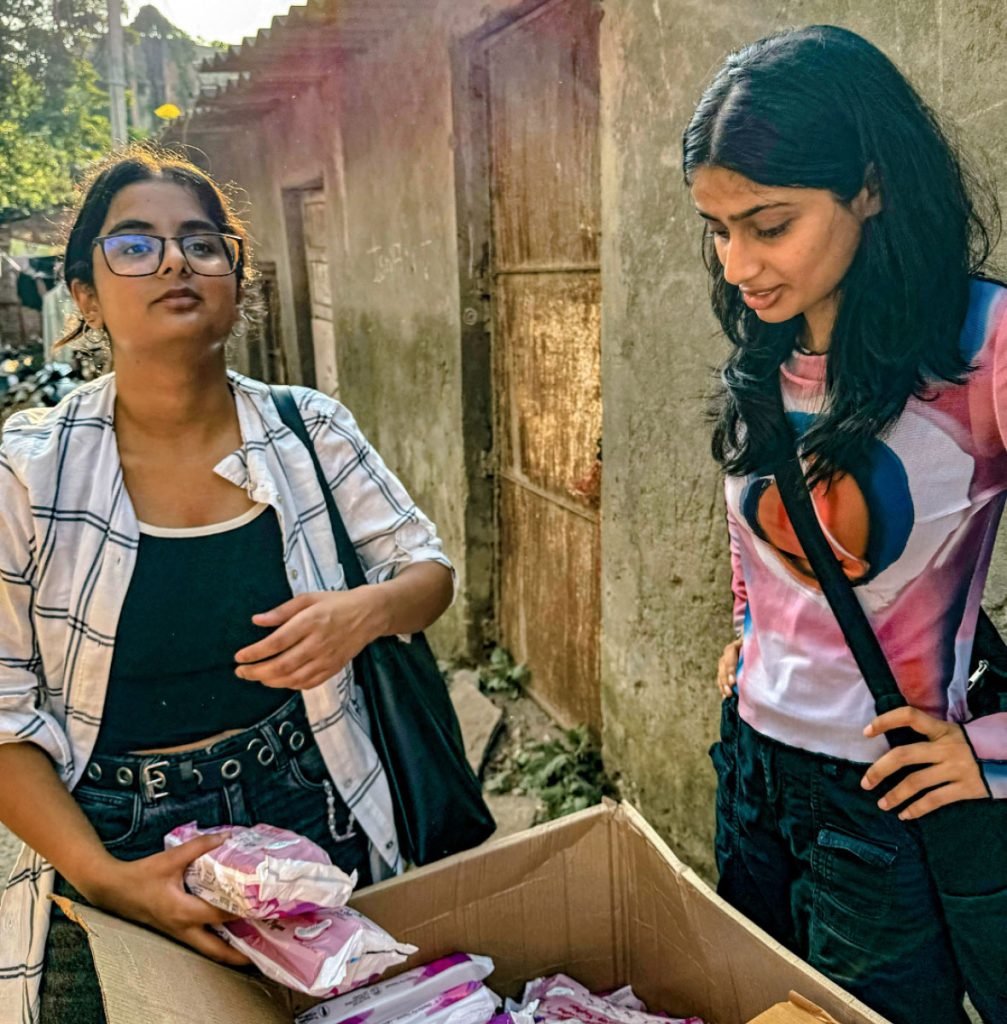
Aimed at addressing personal hygiene and promoting menstrual health awareness, the initiative witnessed the active participation of 12 Rotaract and Interact clubs. More than 35,000 sanitary pads were distributed across 15 locations, reaching many beneficiaries.
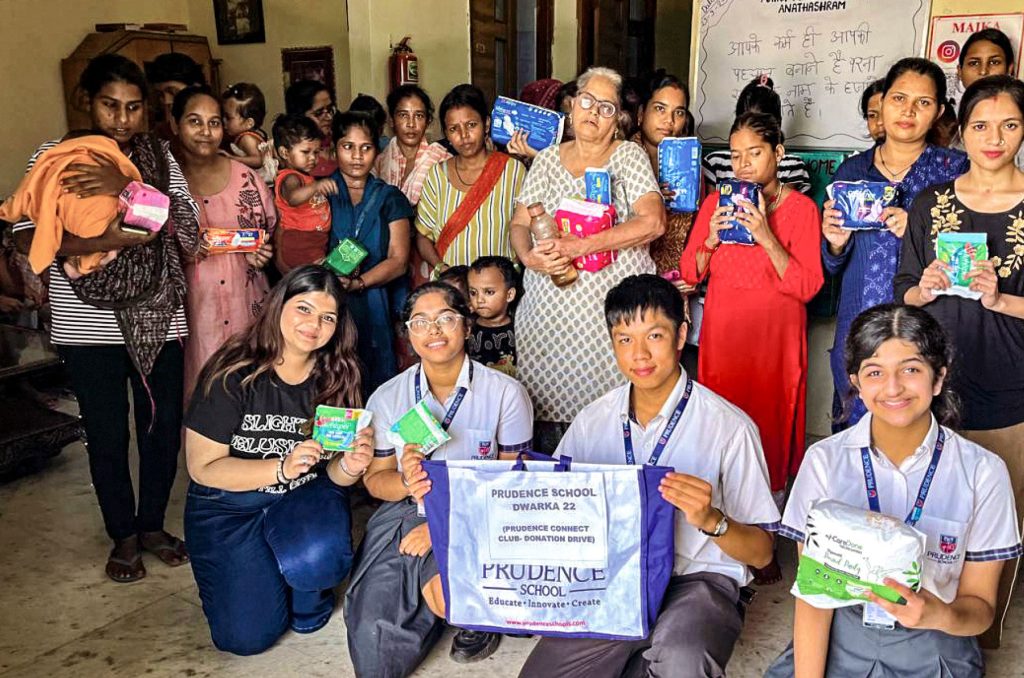
Navratri, traditionally associated with purity, renewal and feminine power, provided a symbolic backdrop for the initiative. By addressing menstrual health during this period, the project sought to break long-held social myths and taboos around menstruation and highlight dignity, hygiene and awareness as integral to women’s wellbeing,” says Harnoor Kaur, member, Rotaract Club of Ingenious Minds, one of the participating clubs.
Highlighting the groundwork that led to Project Sanskriti, Harnoor says her club had earlier launched Project Aarohi at Mahipalpur, Delhi, in collaboration with Rahi and the Rajiv Gandhi Cancer Institute. The initiative provided free health check-up, including thyroid tests, cancer screenings, gynaecologist consultations, and the distribution of essential medicines, benefitting over 100 individuals.
“Project Aarohi helped us understand the severe lack of menstrual hygiene in the area and analyse how the club could intervene meaningfully. That learning became the blueprint for Project Sanskriti,” she adds.
Emphasising the larger impact of such initiatives, Harnoor says, “Projects like Sanskriti are important as the lack of menstrual health awareness continues to affect the dignity, health and education of countless girls and women. By normalising conversations around menstruation and ensuring access to basic hygiene products, we are addressing a critical social gap and empowering communities to make informed, healthier choices.”
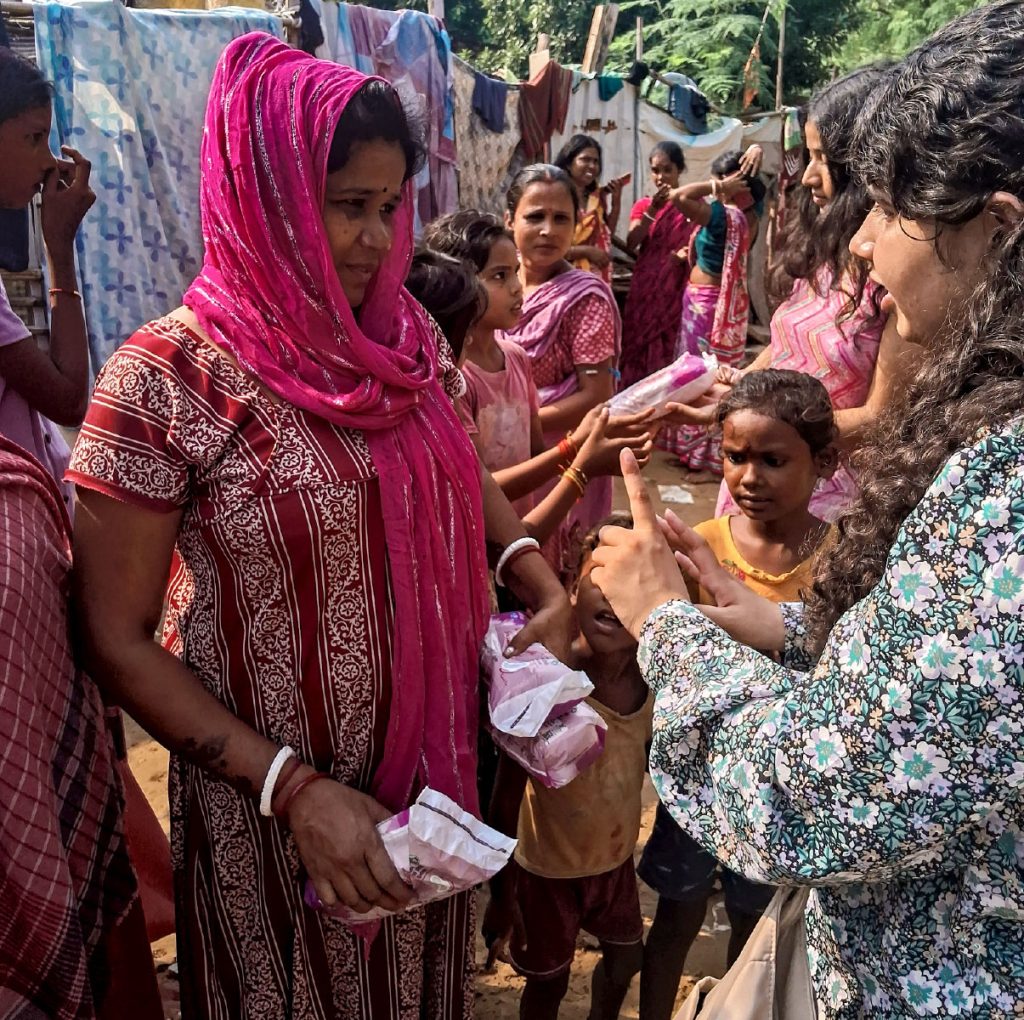
The involvement of Interactors added a meaningful dimension to the project by encouraging early conversations around menstruation, helping break stigma, and fostering sensitivity and leadership among school-going students, she adds.
